Philippines Blocks Grok AI Over Public Safety and Deepfake Risks
Manila, Philippines — The Department of Information and Communications Technology (DICT) has confirmed that access to Grok AI has already been blocked nationwide as of this writing, citing serious concerns over public safety, particularly the risks posed to women and minors through the misuse of generative artificial intelligence.
The blocking order was carried out following a formal request by the DICT, through the Cybercrime Investigation and Coordinating Center (CICC), directing the National Telecommunications Commission (NTC) to restrict access to the platform under the authority of the Cybercrime Prevention Act of 2012 (Republic Act No. 10175).
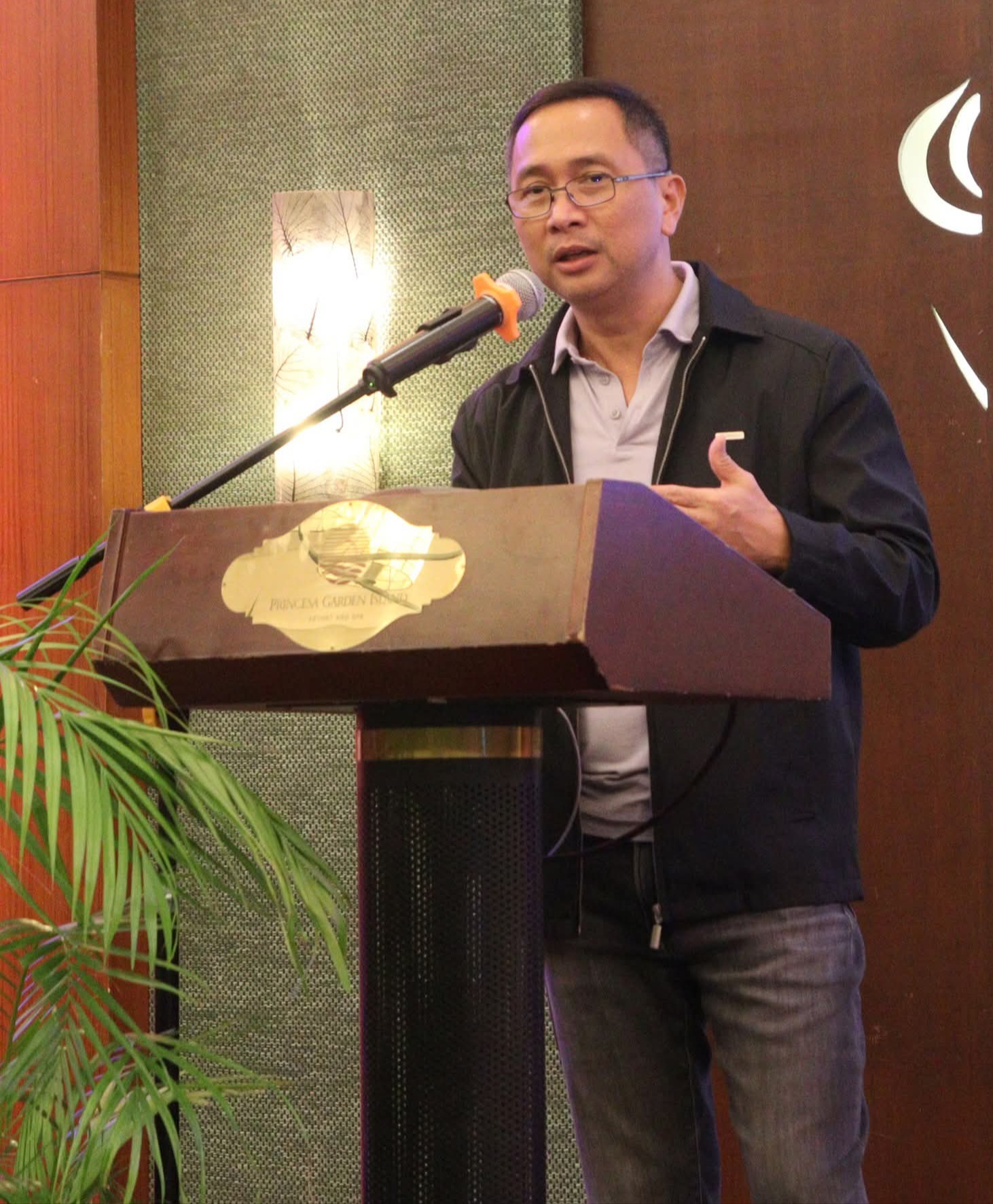
DICT Secretary Henry Aguda said the move was a preventive and protective measure, even in the absence of confirmed local cases, due to the growing global evidence that the AI tool could be exploited to generate non-consensual, manipulated, and sexually explicit content, including deepfakes involving real individuals.
“We acted swiftly because this is the mandate given to us by the President, to protect the public before harm occurs,” Aguda said, emphasizing that government intervention must not wait for documented abuse before action is taken.
Earlier this month, authorities warned that Grok’s accessibility and image-generation features make it vulnerable to abuse, including the creation of non-consensual illicit imagery, which may fall under offenses related to Online Sexual Abuse and Exploitation of Children (OSAEC) and other related crimes under Philippine law.
Under existing statutes, cybersex-related offenses carry penalties ranging from six to twelve years of imprisonment, while child sexual abuse material offenses are punishable by long-term imprisonment and multi-million-peso fines.
The DICT stressed that the blocking aims to curb potential misuse before it escalates into widespread harm, especially in the context of increasing deepfake-related incidents globally.
The Philippines joins several countries that have taken regulatory action against Grok AI. Other jurisdictions in Southeast Asia, including Indonesia and Malaysia, have also restricted access to the platform, while regulators in Europe and the United Kingdom are reportedly evaluating similar measures.
Grok AI is developed by xAI, a company founded by Elon Musk, and is integrated with the social media platform X. The tool has drawn international criticism following reports that its image-editing capabilities were used to generate explicit and misleading content involving real people.
While xAI has announced steps to limit misuse, Philippine authorities said safeguards must be verifiable, enforceable, and effective before any reconsideration of access can take place.
The DICT clarified that the blocking order may be reviewed should Grok’s developers implement stronger content moderation policies, age safeguards, and technical controls that demonstrably prevent abuse and protect vulnerable users.
For now, regulators confirmed that the nationwide blocking remains in effect, with internet service providers complying with the NTC directive.